
Blog
Why Cleaning Your Hairbrush Is Important

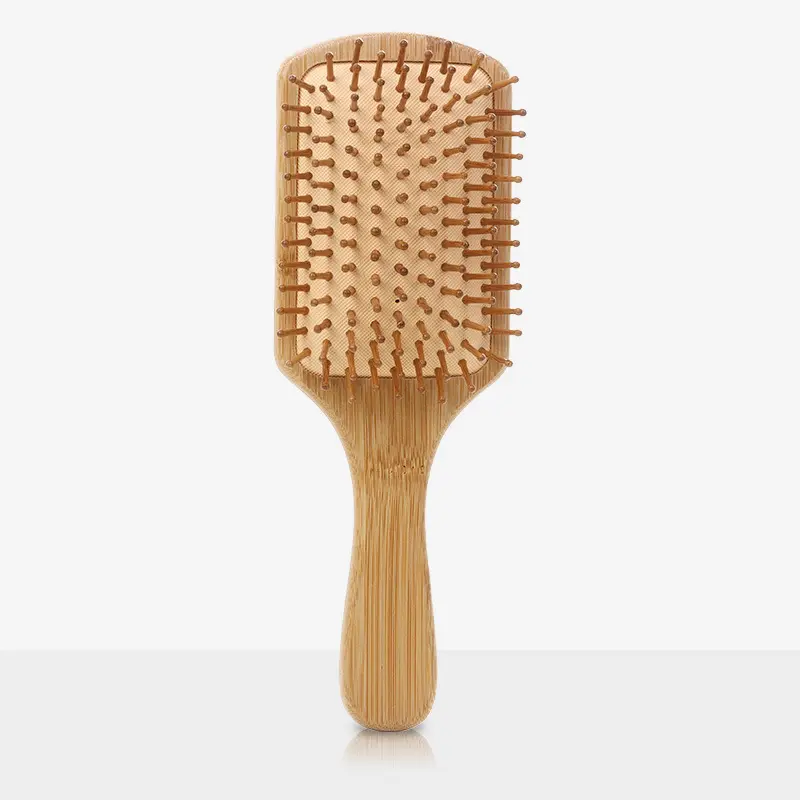
A hairbrush is not just for styling. It also plays an important role in keeping your hair and scalp healthy. Over time, your brush collects hair strands, oil, dust, dead skin, and hair product residue. This build-up can create a place for bacteria and fungi to grow.
If the brush is not cleaned regularly, it can cause scalp irritation, dandruff, and dull-looking hair. A clean hairbrush helps keep your hair fresh, shiny, and easier to manage. It also makes styling smoother and helps your brush last longer.
Cleaning your brush regularly keeps it safe, hygienic, and effective for daily use.
Why You Should Clean Your Hairbrush
Hairbrushes collect dirt and oil very easily. Cleaning them regularly helps:
- Prevent scalp infections – Dirty brushes can carry bacteria and fungi that may irritate your scalp.
- Keep hair healthy – Oil and product build-up can make hair look greasy and heavy.
- Make styling easier – A clean brush moves smoothly through your hair.
- Make your brush last longer – Removing hair and dirt protects the bristles.
How Often Should You Clean Your Hairbrush
How often you clean your brush depends on how you use it:
- If you use hair products daily – Clean your brush once a week.
- If you use little or no product – Clean it every 2–3 weeks.
- After illness – Always clean or disinfect your brush to remove germs.
Things You Will Need
Before cleaning your brush, prepare these items:
- Wide-tooth comb or scissors (to remove hair)
- A bowl or sink with warm water
- Mild shampoo or liquid soap
- Baking soda (optional for deeper cleaning)
- An old toothbrush or small cleaning brush
- A towel for drying
Simple Steps to Clean Your Hairbrush
1. Remove the hair
Use your fingers, a wide-tooth comb, or scissors to remove the hair stuck in the brush.
2. Prepare the cleaning water
Fill a bowl with warm water and add a few drops of shampoo or liquid soap. You can also add a teaspoon of baking soda for deeper cleaning.
3. Soak the brush
Place the brush in the water so that only the bristles are soaked. Avoid soaking wooden handles because water can damage them. Let it sit for 10–15 minutes.
4. Clean the bristles
Use an old toothbrush to gently scrub between the bristles and remove any remaining dirt.
5. Rinse well
Rinse the brush under running water until all soap and dirt are removed.
6. Let it dry
Shake off extra water and place the brush bristles facing down on a towel. Let it air dry completely. Avoid using a hairdryer because heat can damage the bristles.
Tips for Different Types of Hairbrushes
Plastic or Nylon Brushes
- These can be safely soaked in water.
- Use baking soda once a month for deep cleaning.
Wooden Brushes
- Do not soak the whole brush in water.
- Clean the bristles only and wipe the handle with a damp cloth.
Boar Bristle Brushes
- Use a toothbrush or brush cleaner to clean them.
- Avoid soaking them for a long time.
Round or Vent Brushes
- Hair often gets stuck in the middle part.
- Use scissors to remove it before washing.
Extra Tips to Keep Your Hairbrush Clean
- Clean your brush regularly to stop bacteria build-up.
- Replace your brush every 1–2 years if it becomes worn out.
- Do not share brushes to avoid scalp infections.
- Always keep your brush dry to prevent mould and mildew. 🌿